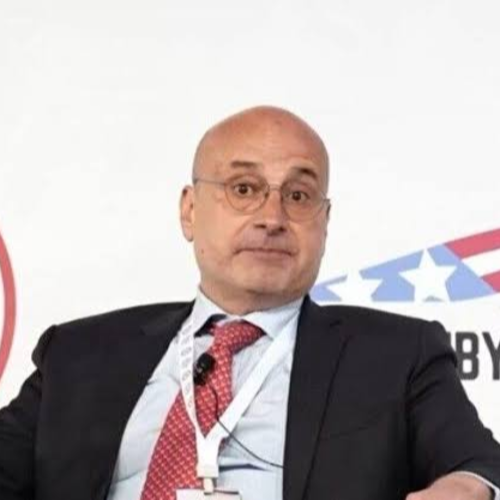
In view of the recent increasing power cuts, the sudden blackout that hit the area from Misrata in western Libya to the Egyptian border in the east of Libya, the resultant shutdown of all the eastern Man-Made River water wells - cutting off water to half the country, the diversion by the government of electricity from industries and businesses to domestic users, the billions spent on the electricity generation sector in recent years confirmed by Prime Minister Abdel Hamid Aldabaiba in the recent Cabinet meeting, his angry outburst at the failure of GECOL to resolve the issue of power curs, the decades of wasted state subsidies to the electricity sector – the time has come says Naaman Elbouri, former banker and current fintech CEO, to reinvest these subsidies in a sustainable national solar energy project.
The Central Bank of Libya can launch a national initiative with major economic and strategic impact by granting commercial banks credit lines equal to the amount spent in one year on subsidizing the General Electricity Company of Libya (GECOL).
The banks, in turn, would use these credit lines to provide concessional loans to citizens, repayable over ten years, to finance the purchase and installation of solar energy systems for homes.
Implementing this initiative would enable each household to produce a significant portion of its electricity needs, thereby reducing pressure on the public grid, limiting power outages, and substantially lowering government spending on the electricity sector.
It would also save billions of dollars that are wasted annually and redirect them toward more sustainable development projects, while creating thousands of jobs in the import, installation, and maintenance of solar energy systems and strengthening reliance on clean energy sources.
Transforming subsidies from fuel and the public grid into direct financing for citizens achieves many strategic gains:
First: Sustainable Financial Savings
Reducing waste resulting from fuel subsidies and maintenance of the deteriorating electricity grid. Shifting government spending from ongoing operating expenses to productive assets owned by citizens with a long operational lifespan. Easing the financial burden on the General Electricity Company, allowing its resources to be directed toward grid development and strategic projects.
Second: Implementation Mechanism.
The Central Bank grants long-term, dedicated credit lines to commercial banks. Banks provide concessional loans, or Sharia-compliant financing in the form of murabaha, to finance the purchase and installation of solar energy systems.
The system itself serves as collateral for the loan, or instalments are collected directly from the beneficiary’s salary or through approved electronic payment methods. Home systems are connected to the public grid under a Net Metering system, whereby the citizen consumes their own electricity needs and sells any surplus to GECOL, helping shorten the loan repayment period and generate additional income for the citizen.
Third: Challenges that must be considered
Securing the necessary financing to cover the initial cost of the systems, which may range between $3,000 and $6,000 per household, depending on the required capacity. Adopting standardized technical specifications and licensing implementing companies by the competent authorities to ensure the quality of solar panels, batteries, inverters, and installation efficiency.
Launching awareness campaigns for citizens to explain the project’s economic viability and the financial return it achieves in the medium and long term. This initiative is not merely a project to address the electricity crisis; it is a national project for economic transformation that turns government subsidies from continuous consumption into productive investment, strengthens energy security, reduces public spending, and gives citizens a direct role in electricity generation, thereby achieving sustainable development that benefits both the state and society.
Naaman Elbouri is a leading Libyan banker having been chairman of the privately-owned Al-Saray Bank for Trade and Investment (ATIB). He is currently the Chairman of Tadawul, the leading private sector fintech company in Libya.