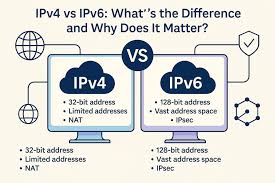
Abdelbaset Al-Baour, Chairman of the General Authority for Communications and Informatics, held an extensive meeting at the Authority’s Tripoli headquarters last Monday (20 April) with representatives of major telecommunications companies in Libya to activate Libya’s transition from the current IPv4 (internet protocol version) to the latest IPv6 Protocol.
The meeting included members of the committee responsible for the transition to IPv6.
The Chairman emphasized the necessity of a swift and effective start to activating the transition to IPv6 across all national networks.
He described it as a strategic national project that will enhance Libya’s standing at both the Arab and international levels, placing it among the leading countries in the field of communications and digital transformation.
Advantages of IPv6
He explained that the transition to IPv6 represents a crucial step in addressing the depletion of IPv4 addresses and offers numerous advantages, most notably its enormous scalability, enhanced security and reliability, improved performance and efficiency, support for future technologies, provision of an unlimited number of addresses, and the building of a sustainable digital infrastructure that supports the digital economy and raises Libya’s readiness for digital transformation, while also increasing usage indicators in 2026.
The meeting discussed the most prominent technical and operational challenges facing the project, in addition to developing appropriate practical solutions to overcome them.
At the conclusion of the meeting, Al-Baour expressed the Authority’s full commitment to supporting and assisting companies and overcoming all difficulties they may face to ensure a successful and effective transition to IPv6.
He emphasized that the integration of efforts between the Authority and the private sector will contribute to building a more efficient, secure, and sustainable digital future for Libya.