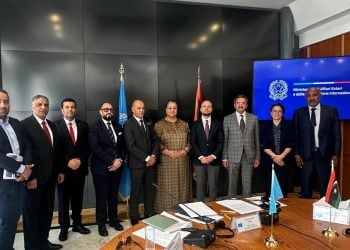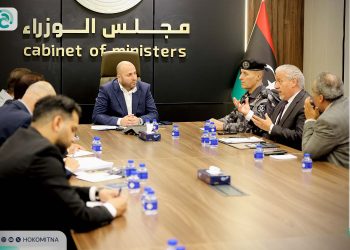
The Linataawan – EU for Civil Society in Libya Project concluded its second phase with a closing event held in Tripoli on 29 March 2026, bringing together representatives from civil society, programme participants, public institutions, international partners and diplomatic missions.
Funded by the European Union and implemented by a consortium led by the British Council, in partnership with Acted and VNG International, the project has supported civil society across Libya since its launch in December 2019.
Linataawan was initiated at a period of heightened conflict in Libya and was subsequently implemented through the global disruption caused by the COVID-19 pandemic. Despite these constraints, it maintained a broad national reach, engaging civil society actors across different regions of the country.
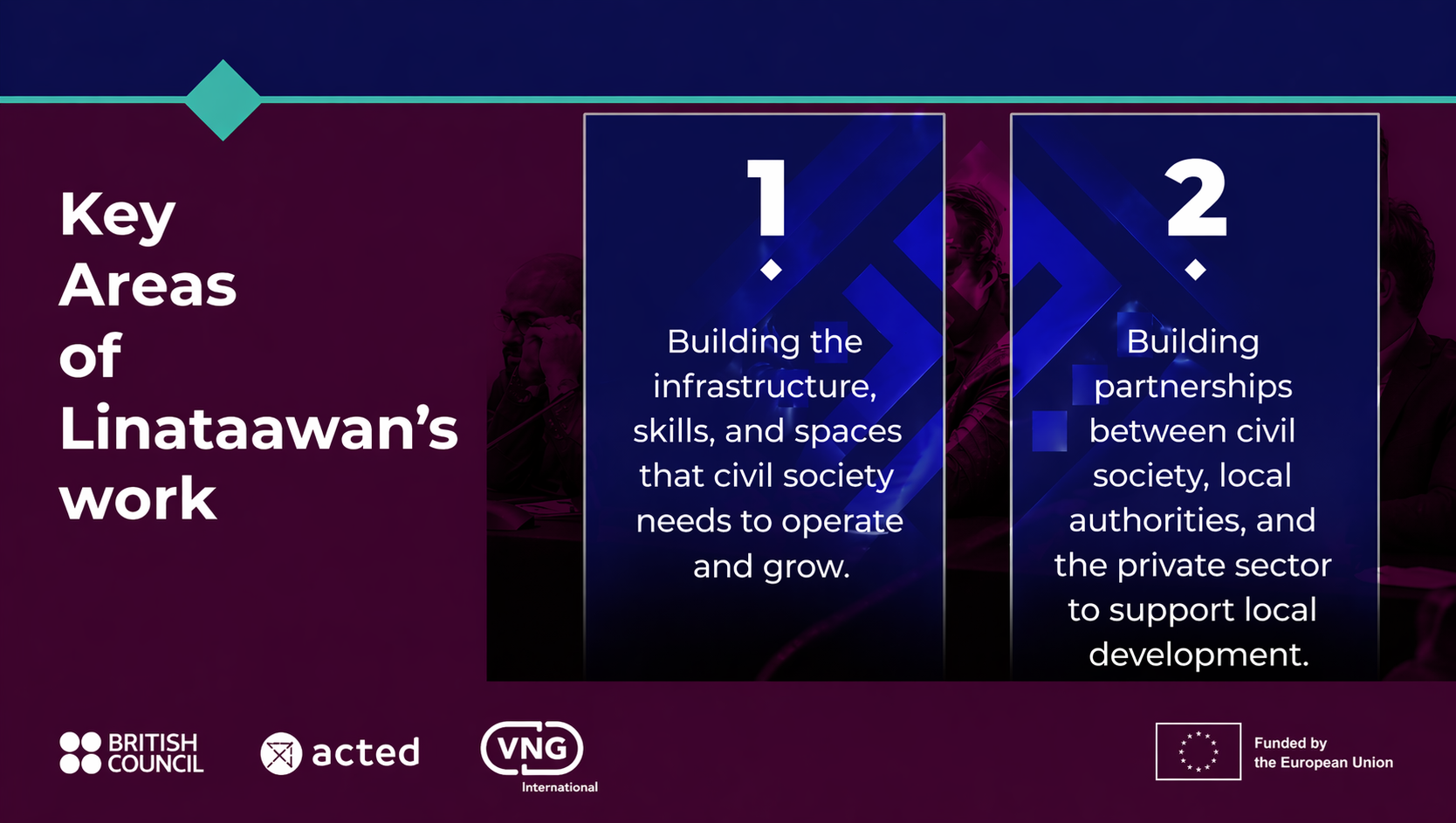
A key component of the project was the establishment and support of resource centres, an online platform and locally driven initiatives, helping to build the infrastructure, skills and spaces that civil society organisations need to operate and grow. These enable organisations to access technical assistance, share experiences and build networks beyond their immediate geographic areas.
The project placed a strong emphasis on working with Libyan organisations and partners in a way that allowed them not only to participate, but also to shape and adapt activities to local realities. The project also contributed to fostering more sustained forms of collaboration between civil society actors, local stakeholders and, in some cases, private sector actors.
During Phase II (2024–2026) only, Linataawan worked with more than 540 civil society organisations and over 10,000 individuals across Libya through training, mentoring, networking and institutional support, including youth engagement initiatives. It built on the foundations established during Phase I (2019–2023), consolidating delivery and demonstrating a more structured and operational model of civil society support.
At the closing event, representatives of the European Union described Linataawan as a flagship project for civil society support in Libya and indicated that future programming would build on its experience “with a stronger involvement of Libyan civil society”
While the project has formally concluded, its longer-term impact is likely to be seen in the relationships, networks and practices developed over its more than six-year duration. Many organisations that engaged with the project continue to collaborate and operate within these networks.
This also reflects a gradual strengthening of locally led approaches, with Libyan organisations playing an increasingly active role in shaping and sustaining these efforts. The project was delivered predominantly through Libyan teams, reinforcing this shift in practice.
In a context such as Libya, where operating conditions continue to evolve, sustained and locally grounded engagement remains essential. The experience of Linataawan suggests that consistent, partnership-based approaches can contribute to strengthening civil society over time.
Intissar K. Rajabany is a development professional with over 20 years of cross-sector experience in Libya, spanning international development, economic empowerment and the private sector. She currently serves as Team Leader for the Linataawan – EU for Civil Society in Libya Project and previously led MEDA’s Libya programme on women and youth economic empowerment. She is co-founder of the Women in Business Committee – Tripoli.