By Sami Zaptia.
London, 11 September 2019:
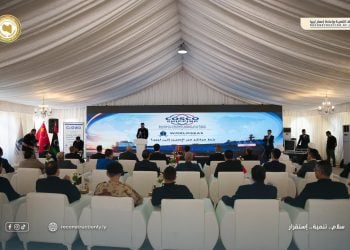
The findings of a study on Libya’s health sector were revealed at a joint Libyan Ministry of Health and World Health Organization (WHO) workshop in Tripoli last Thursday.
The WHO Tripoli office reported that the study conducted in the last quarter of 2018 revealed almost the same trends observed in other ‘‘emergency’’ countries like Iraq and Syria.
The findings showed that during Libya’s conflict period, inpatient clinics rose by 71.49%, laboratories and pharmacies by 50% and diagnostic centres by 80% in period between 2007-2018.
The workshop reported that the Libyan private health sector currently consists of 537 outpatient centres, 235 inpatients centres, 371 dental clinics, 3,089 pharmacies, 411 laboratories and 19 diagnostic imaging centres. He also shared the survey findings of having 348 ultrasounds, 41 CT Scan, 147 X-rays, 35 angiography machines and 23 MRIs.
The study concluded that the private health sector has begun to provide medical services in new specialized areas such as oncology, mental health and cardiac surgery, as well as a significant increase in clinical capacity in clinics since the previous survey in 2007.
The study confirmed that private sector institutions had increased significantly over the past 10 years to provide all health-care services in clinics and clinics.
It also confirmed that the private sector provided employment opportunities for a large workforce either as a full-time administrative officer or part-time or an auxiliary medical or medical component, and there is pharmacy activity in all municipalities, unlike sanatoriums, clinics, laboratories and diagnostic centres, which are limited to some municipalities.
The study was carried out on 101 municipalities, representing 100% of municipalities, and 50 researchers participated in the survey, and the results of the study showed that the size of the private health sector in Libya jumped compared to the results of the survey conducted in 2007 by 100% to 375%.
WHO’s representative, Elizabeth Hoff thanked the Ministry of Health for generating valuable evidence on the status of the private health sector in Libya. She thanked the private investors for coming forward and investing in such a challenging Libyan environment and emphasized that the role of the Libyan private health sector should be encouraged in order to achieve the targets of universal health coverage. She requested that the Minister of Health should engage further with the Libyan private health sector and develop a public private partnership (PPP) investment strategy, focusing on the underserved areas and vulnerable population without compromising on the quality of care.
Meanwhile, the Serraj Minister of Health noted that the growth of Libya’s private health sector was not based on sound foundations but rather on profitability.
He thanked WHO for the technical support and appreciated the generous support of the European Union (EU) in supporting Libya in modernizing and strengthening the Health Information System.
He appealed to private investors to invest in Libya’s private health sector which he said would enhance the country’s quality of curative service and reduce the financial burden on the government.
According to the results of the survey, health indicators indicate that Libya has made progress compared to its peers in eastern Mediterranean countries EMRO in the number of doctors, dentists, pharmacists, nurses and midwives, CT Scans and MRI – in private sector health institutions.
Indeed, the results show that Libya has advanced to levels found in OECD countries in the number of practicing dentists and pharmacists practicing.
“We look forward to creating a private sector that seeks to invest on a long-term basis, not just kiosks adjacent to hospitals to provide services that are not suitable for citizens. After this survey, our next steps will be to develop policies and answer how, not to question how much.”, he added
The Minister of Health explained that the private sector is able to make integration in the delivery of healthcare more efficiently, as countries are not only built through public institutions, but must involve private sector institutions and exploit the possibilities more efficiently.
He stressed the need for the private sector to play a bigger part in Libya’s health sector and admitted that the public sector would not be able to provide the needed health service. To this end, he called for the laws encouraging investors in the health sector be amended while he called on the state to encourage investment through security and stability.
The Minister of Health said that recent developments in the field of health have made the cost of spending on medical services high as it is not possible to provide health services to citizens equal to those provided by developed countries, where countries such as France and Britain spend the equivalent of 3,000 euros per capita while the cost of spending in America reaches US$ 7,000, while Libya has a per capita expenditure of only US$ 500.
“Libya’s laws give health to all and ensure that they are free for all, but this is not applicable,” he said. An alternative is health insurance. We aspire to achieve this despite the efforts of the state. Quality laws are still in the drawers. Law enforcement needs to stabilize first. We’re always looking forward to the next one (law) being the best.”
The workshop made six main recommendations:
1-The implementation of a health insurance system to avoid the Libyan citizen paying for medical services directly, especially those with limited income.
2- A review of laws and regulations, the registration process, the mechanism for adopting the private health sector and the development of a strategy for monitoring and evaluating private health care institutions.
3-The encouragement of the private health sector to invest in specialties that are not available or deficient in different geographical areas,
4-To assess the quality of health services provided by the private health sector
5-To implement the National Health Accounts Study to provide data on health spending in Libya.
6-The need to develop a public-private partnership (PPP) strategy.