Sebha Municipality announced yesterday that the unique refuelling barcode system used by the public to fill fuel at petrol stations in the south of Libya will resume operation next week.
It said this move aims to organize the supply process and facilitate citizens' access to their fuel needs.
The Municipality said the measure comes in response to citizens' requests and as part of efforts to alleviate their hardships and reduce congestion at fuel stations, thereby helping to organize distribution and ensure fuel reaches those entitled to it.
It will be recalled that the barcode refuelling system was cancelled in September due to objections on several grounds.
First, the lack of fuel deliveries to the southern region from northern port and refineries meant long queues persisted since summer – despite the barcode system.
Fuel-fillers have had to wait in up to 5km queues that could last up to 4 days anyway. Those against the fuel barcode system say why bother with the bureaucracy and cost of the system if you have to wait for days anyway.
There was also an objection to the fuel barcode’s LD 20 registration fee, and the LD 10 lost barcode replacement fee. There were also objections to the bureaucracy of obtaining a barcode and proof of ownership of vehicles.
Finally, there is a sense of injustice by people in the south that the rest of Libya is not forced to use a barcode system while they were. This, despite the existence of petrol queues, on and off, this summer, throughout the rest of the country. Why is the south being singled out – they ask.
The other view
On the other hand, there are those in the south who say it is the fuel smugglers in the south that are the main long-term cause of fuel shortages and it is them who agitated for the code to be cancelled in September.
The need to have legal car documentation has also meant car smugglers object to the barcode system.
Nevertheless, persistent fuel shortages and queues into October have resulted in the reintroduction of the fuel-filling barcode system.
Fuel-filling digital cards as part of a fuel subsidy reform policy
On a wider note, there have been discussions and calls for the introduction of a nationwide digital fuel card through which all official Libyan residents / vehicle owners are allotted a monthly subsidised fuel allowance.
Beyond the allotted quota, consumers would be free purchased extra fuel at an unsubsidised international commercial price.
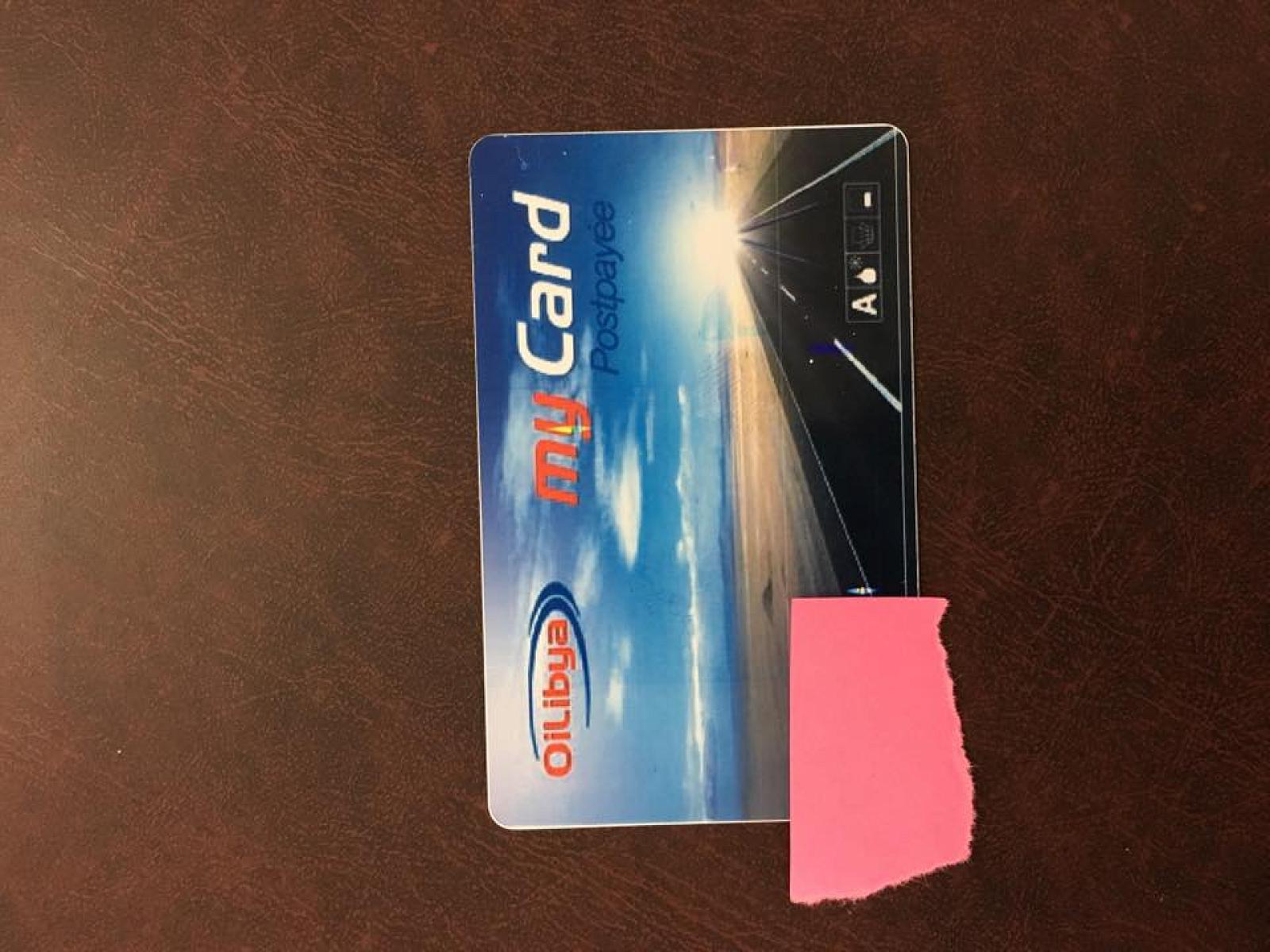
(Some companies in Libya already issue pre-loaded fuel-filling cards to their employees)
New refinery to be built in the south
It will be recalled that there is a plan to build an oil refinery in southern Libya so that the region can have its own local fuel supply and not be dependent on supplies from coastal Libya.