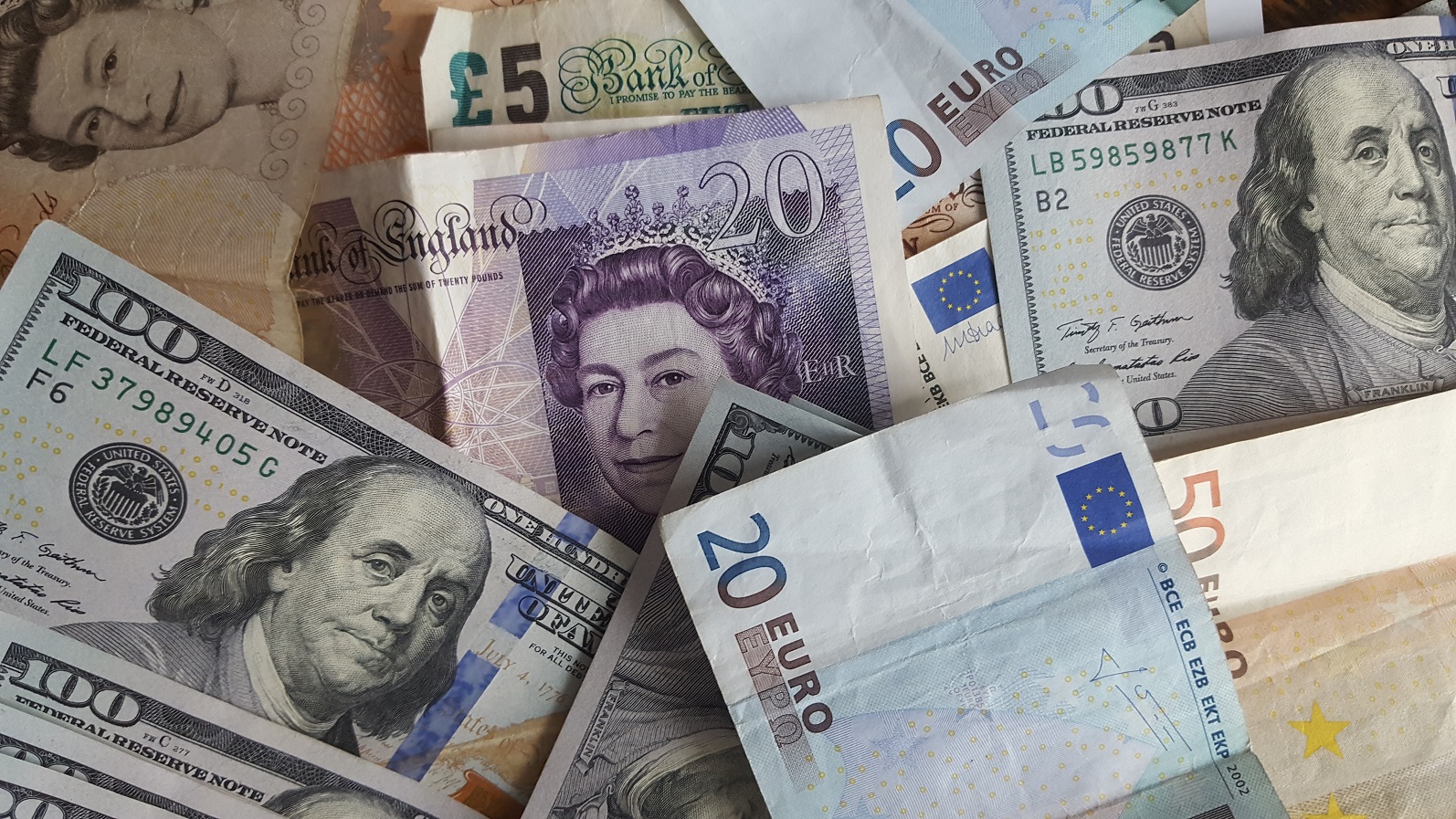
The US dollar broke the LD 9 mark on the black-market foreign exchange yesterday for the first time since December 2017.
This has happened despite the efforts by Naji Issa, the Governor of the Central Bank of Libya (CBL), to counter this by limiting the payment of imports to those paid for through official banking transactions as opposed to through unofficial black-market methods. This move was intended to reduce demand for the dollar on the black-market foreign exchange and strengthen the dinar.
The crash in the LD exchange rate has also come despite CBL Governor Issa announcing that the recently approved official foreign exchange bureaux will resume operations by the end of this month. Libya currently has no official FX bureaux, and FX trade takes place in FX shops that are unlicensed or in gold shops in Tripoli’s Old Souk.
The rise in the FX cost of the dollar leads to imported inflation as Libya is a rentier state, non-manufacturing consumer economy that lives off its oil revenues. It imports over 80 percent of its food consumption which leads to the import of inflation.
Moreover, Libya’s oil exports are stagnant at around 1.5 million barrels per day which means its supply of dollars is limited.
Governor Issa’s promises unfulfilled
It will be recalled that Governor Naji Issa had promised in August last year that the LD will strengthen to under LD 7 per dollar on the black-market and that the cash crises will end by 1 October of the same year. Neither aims have been achieved.
Part of the CBL’s wider reform measures
The various ongoing efforts by Naji Issa come within his CBL’s wider effort to reform Libya’s economic, monetary, fiscal and financial system to reduce money laundering, reduce the grey economy and tax evasion, reduce demand for the US dollar in the black-market, strengthen the Libyan dinar and stabilise inflation and prices.
Split and weak government and parliament
However, the political split between Libya’s internationally recognised Tripoli based government and its internationally recognised Benghazi-based parliament (House of Representatives – HoR) means that they are both weak and unable to enact and implement the needed structural reforms to reform the economy.
.
Ministries of Economy and Planning discuss the draft indicative import budget for 2026
Minister of Economy and Trade chairs technical meeting to prepare Libya’s trade policy for 2026
CBL Governor Issa vows to end Libya’s liquidity crisis by 1 October
CBL to bring FX rate of dinar to less than LD 7 per US$: CBL Governor Issa
The 6th Banking Sector Development Forum will be held in Tunis from 7 to 8 December
World Bank to participate in 4th Annual Libya Banking Development Forum
4th Banking Sector Development Forum to be held in Tripoli in October 2022 (libyaherald.com)
Annual Libyan Banking Sector Development Forum to be held in Tunis (libyaherald.com)
Second Libyan banking forum to be held in Benghazi (libyaherald.com)