Acting on instructions from the Public Prosecution, a team from the Security Inspection and Explosive Ordnance Disposal Department of the Criminal Investigation Agency (part of the Tripoli Ministry of Interior) - accompanied by specialists in fire, explosives, and forensics from the Agency’s Western Branch - deployed to the site of the fire at a facility within the Zawia oil complex to conduct a technical inspection and assessment.
During the inspection, the team discovered wreckage from unmanned aerial vehicles (drones) and associated components, as well as 82mm mortar shells and other materials and objects suspected to be linked to the incident.
The specialised team, the Criminal Investigation Agency reported today, handled the debris in accordance with established technical and security protocols; the items were secured and transported to the North Zawia Police Station for the completion of legal procedures and further investigation.
Attempts to identify the types of drones
Meanwhile, several other official and unofficial sources have posted photos of the remains or fragments of the various drones that have been used to attack the Zawia Oil Refinery and the Zawia Water Desalination Plant.
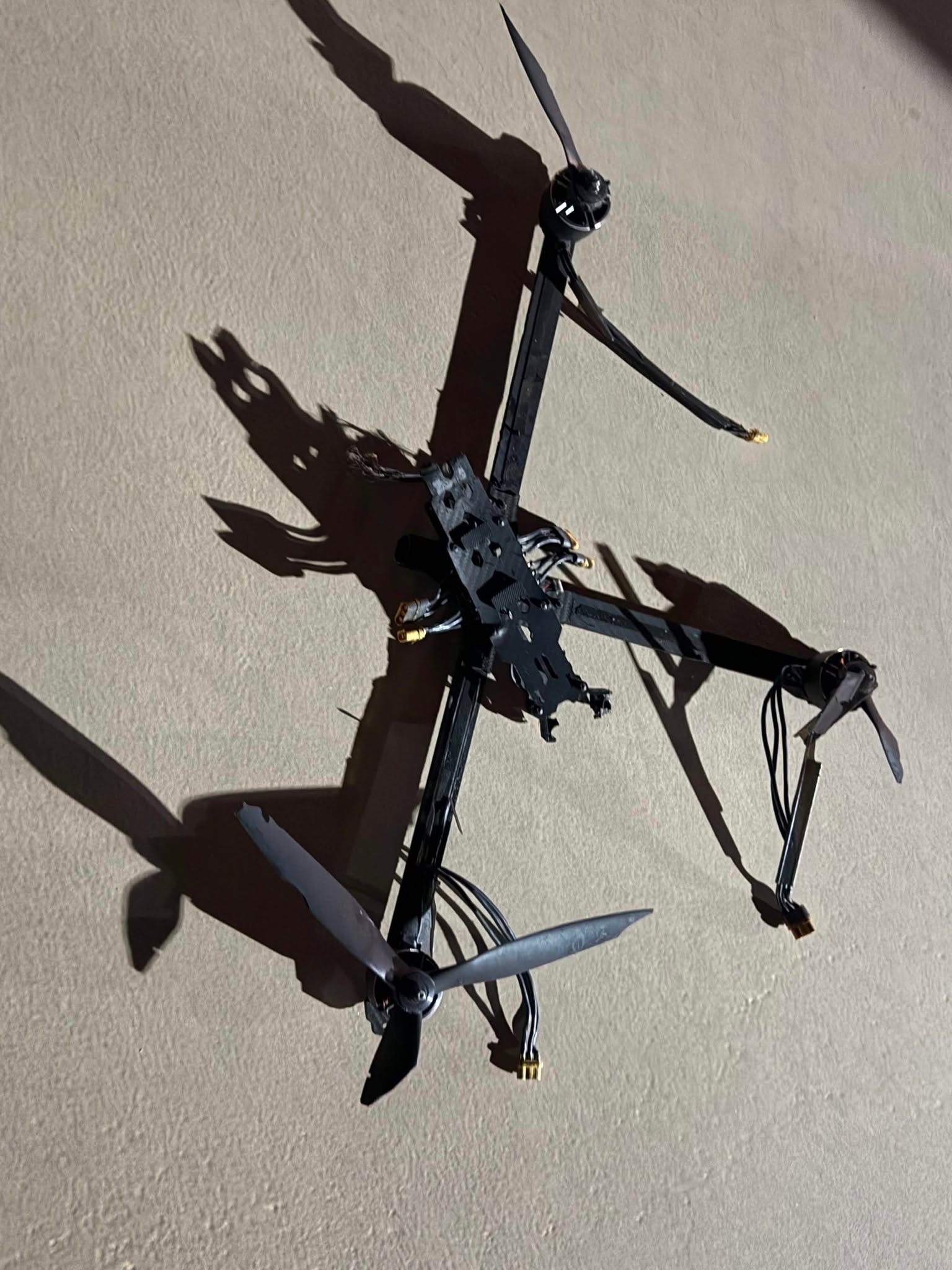
The photos of the drone fragments have started a debate about the worrying progress made by the various state-recognised militias / security forces in Zawia in their ability to now mount attacks that are difficult for the state security agencies to defend against.
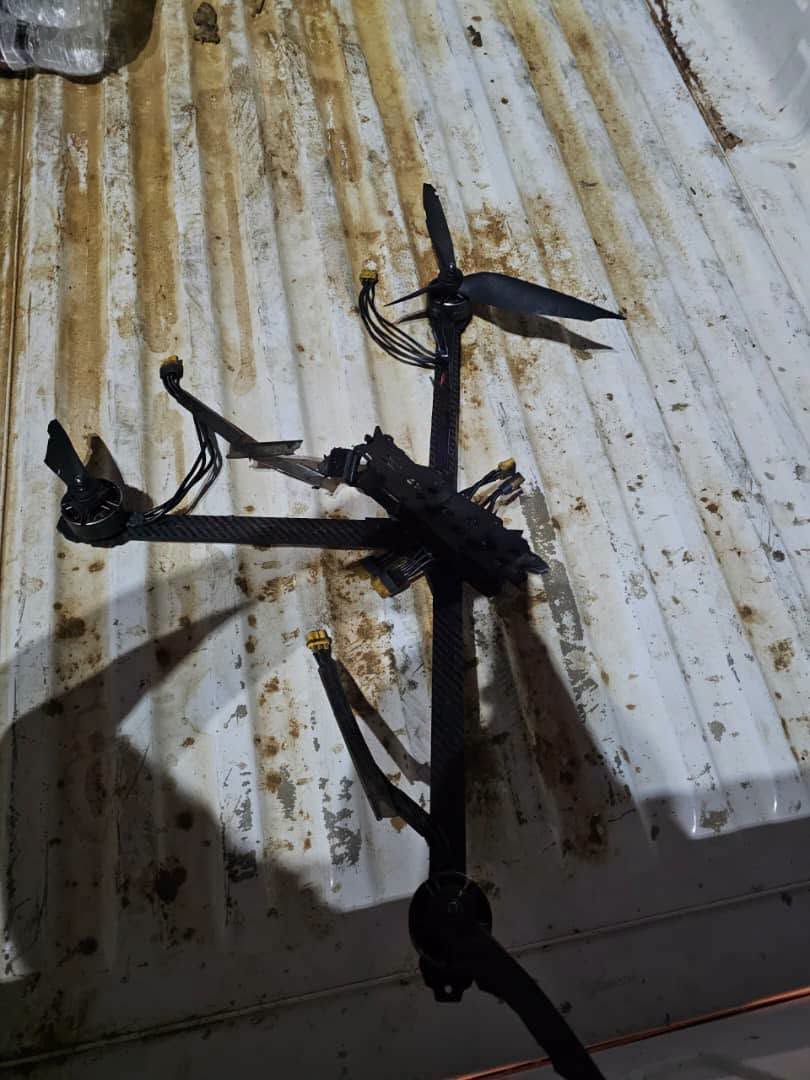
Many on social media have asked why have the various security forces, such as the Petroleum Facilities Guards (PFG - part of the Tripoli based Ministry of Defence), the entity charged with defending Libya’s oil and gas installations, failed to intercept or shoot down these drones?
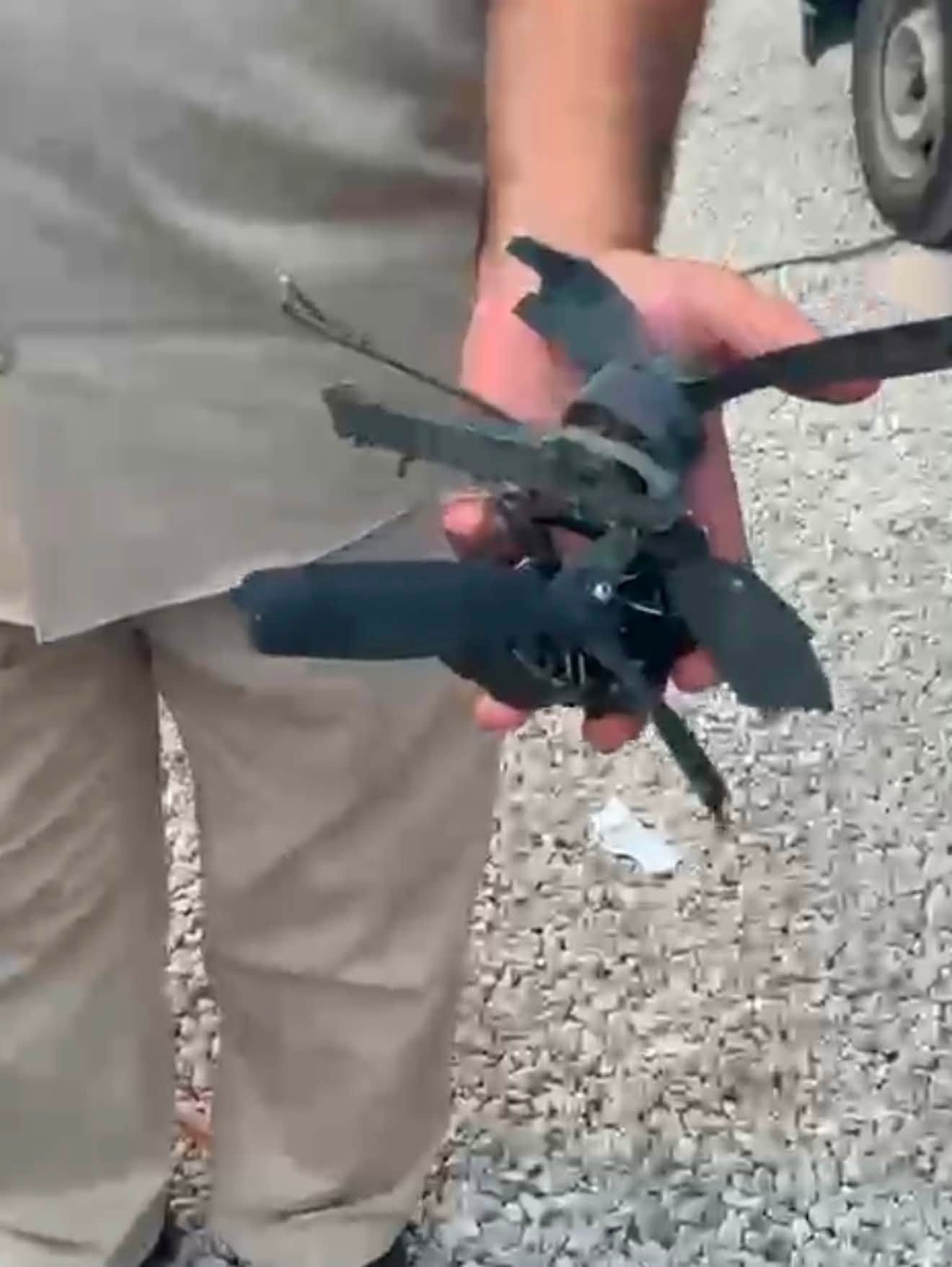
Fibre-optic drones?
While it is not their area of expertise, but the PFG have already reported on their social media that, according to preliminary information, the attack was carried out using an FPV (First-Person View) drone that operates via fibre-optic cable (a "tethered" or "wire-controlled" drone).
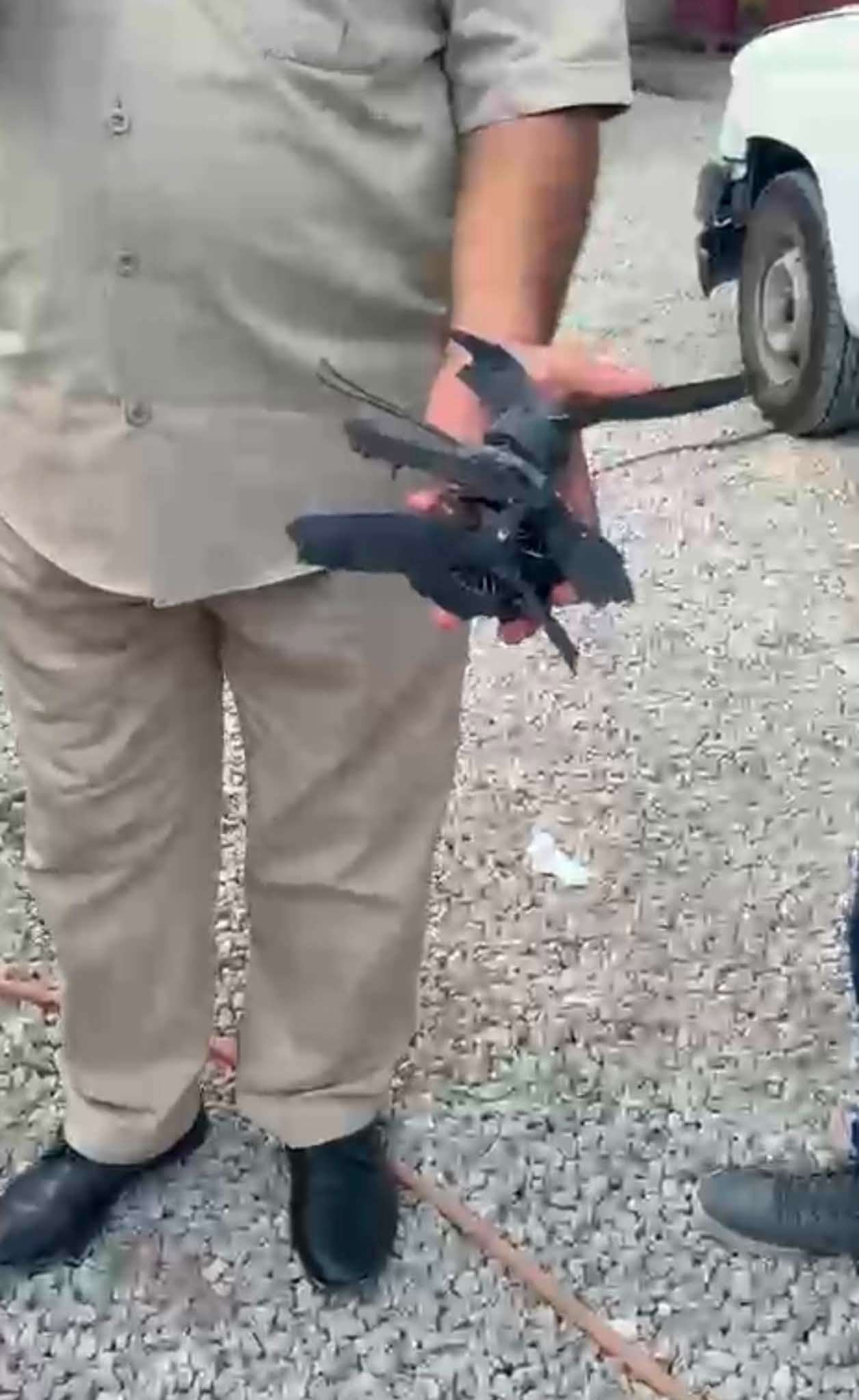
Having pointed how the remaining fibre optic coils of a drone look like, several people have posted photos of these, claiming to have discovered them on their property.
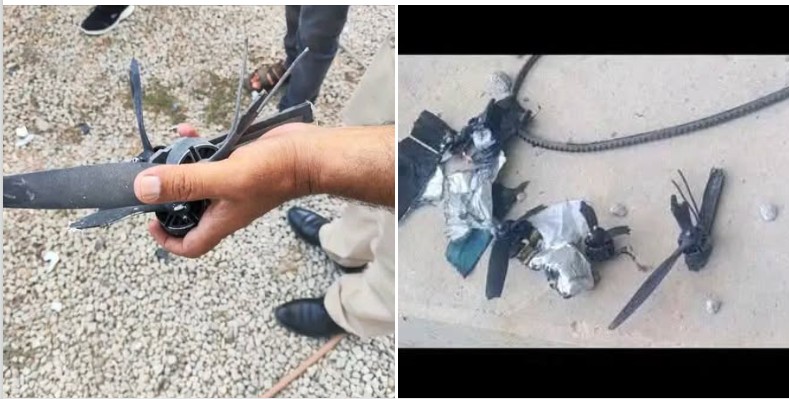
If this is accurate, it heralds a worrying phase for the official state security agencies attempting to enforce law and order in Libya – and for the average Libyan citizen.
Fibre-optic drones are more difficult to defend against
Fibre-optic drones are apparently more difficult to defend against because: Jamming is completely ineffective against them; They are silent and invisible to radar; They are difficult to spot; They are precise and destructive; They can be operated from many kilometres away.