No Result
View All Result
Monday, April 13, 2026
23 °c
Tripoli
24 ° Sat
24 ° Sun
  • Advertising
  • Contact
LibyaHerald
  • Home
  • Libya
  • Business
  • Opinion
  • Magazine
  • Advertising
  • Login
  • Register
SUBSCRIBE
  • Home
  • Libya
  • Business
  • Opinion
  • Magazine
  • Advertising
  • Login
  • Register
No Result
View All Result
LibyaHerald
No Result
View All Result
Home Business

Corruption in Libyan banking sector ‘‘threatens whole economy’’ – Audit Bureau 2016 Annual Report

bySami Zaptia
May 4, 2017
Reading Time: 2 mins read
A A

By Sami Zaptia.

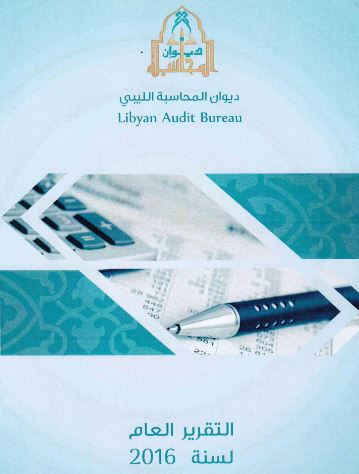
The Tripoli-based Audit Bureau says in its 2016 Annual Report that 2016 was the worse year for Libya (Photo: Tripoli Audit Bureau).
The Tripoli-based Audit Bureau says in its 2016 Annual Report that corruption in Libya’s banking system threatens the country’s whole economy (Photo: Tripoli Audit Bureau).

London, 4 May 2017:

In its introduction to the chapter on corruption (chapter 2, page 55), the Tripoli-based Libyan Audit Bureau in its 2016 Annual Report concluded that corruption was rooted in the Libyan psyche and culture and was practiced by 86 percent of society.

In the section specifically on the banking sector, the audit Bureau says that the spread of corruption there ‘‘threatens the whole Libyan economy’’.

It concludes that corruption in the Libyan banking sector was practiced mainly in the following 9 ways:

RELATED POSTS

Customs Authority introduces use of specialized security paper for official letters to prevent LC forgery

HSC’s proposals to reform Libya’s economy include abolishing proposed taxes, suspending development spending, prioritising imports, monitoring LCs

1-The growth of money smuggling overseas through the manipulation of Letters of Credit (LC) and overseas bank transfers.

2-Fake /phantom imports of goods (through the import of empty containers or containers containing vastly undervalued goods).
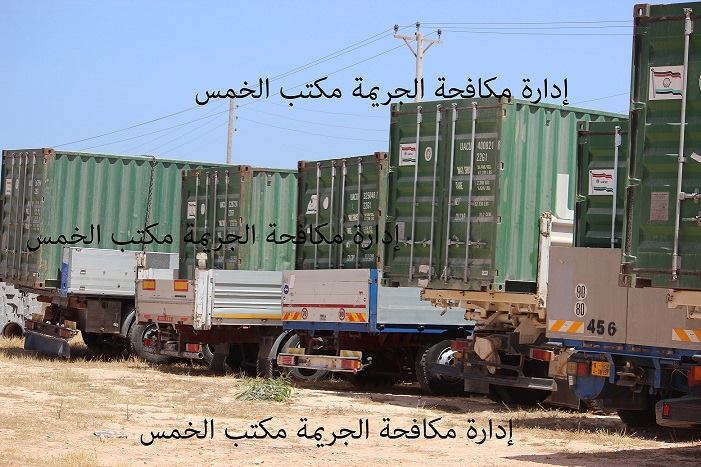
 

Khoms police seizes more Khoms Port containers in LC financial corruption (Photo: Khoms Police Counter Crime Unit).
Khoms police seizes more Khoms Port containers in LC financial corruption in May 2016 (Photo: Khoms Police Counter Crime Unit).


3-The acceptance of money laundering transactions as part of LC manipulation.

4-The manipulation in the use of debit cards.
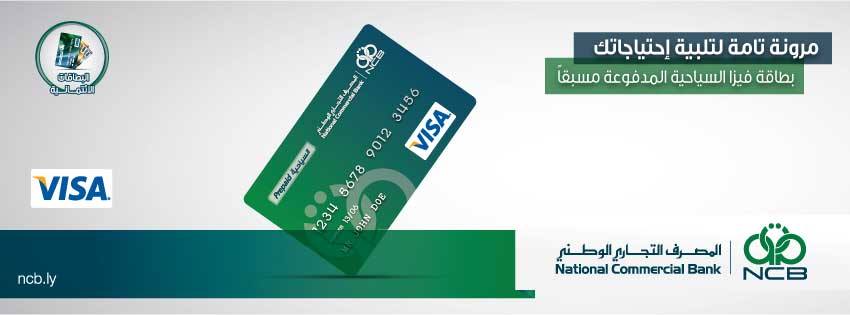
 

Libya's NCB is setting spending and cash withdrawal limits on its Visa debit card(Photo: NCB).
The Audit Bureau names top 74 in NCB Visa debit card corruption (Photo: NCB).


5-Fake depisits through the manipulation of the clearing system.

6-The manipulation and misuse of guaranteed cheques.
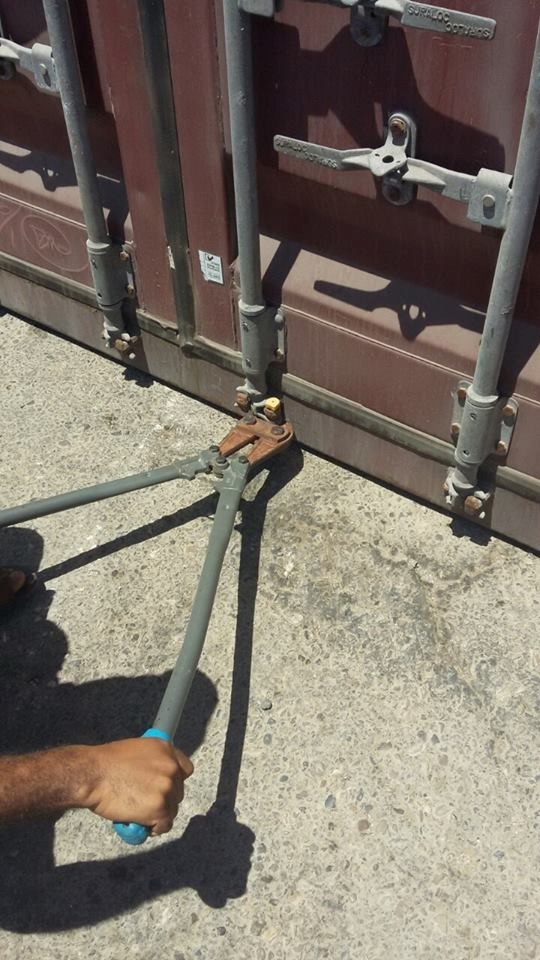
 

The Audit Bureau in cooperation with the Public Prosecutor's Office opens empty containers in Tripoli port exposing FX and LC scams (Photo: Audit Bureau).
The Audit Bureau in cooperation with the Public Prosecutor’s Office opens empty containers in Tripoli port exposing FX and LC scams in September 2015 (Photo: Audit Bureau).


7-Over-extending credit and loans.

8-Extending loans and cover without collateral.

9-Accepting bad cheques and debiting them from state accounts.
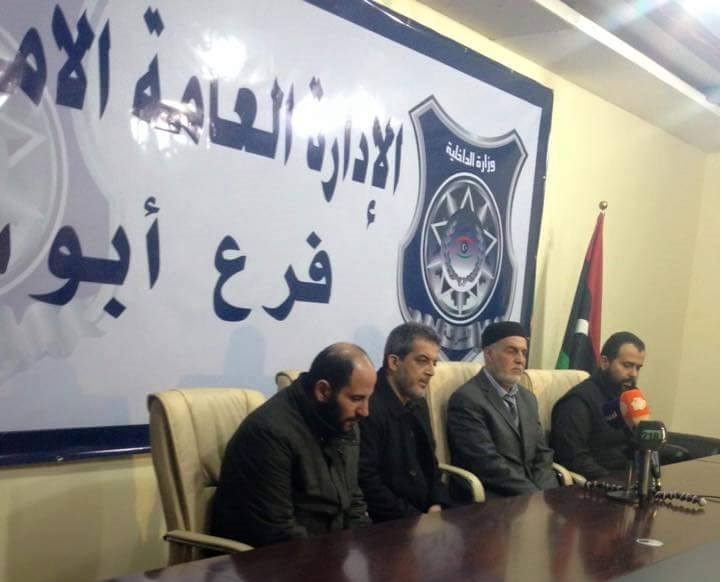
 

A video confession by bank managers admitting to FX corruption (Photo: Libyan Police Dept).
A video confession by bank managers admitting to FX corruption in February 2016 (Photo: Libyan Police Dept).


The issue of corruption in Libya has received much coverage in this publication. The Central Bank of Libya has over the years since the 2011 revolution come in for much criticism for not doing enough to fight corruption in the banking sector. The CBL is the recipient of Libya’s oil revenues in hard currency and is the point of contention and the struggle for access to hard currency in the form of LCs.

In its self-defence, the CBL points out that it is not a crime investigating or law enforcement agency. It blames the weak Libyan state for not playing its part in deterrence, crime prevention and pursuit of suspects. For example, it says it is not its role to inspect containers in ports or to check the validity of companies and their documentation that apply for LCs..

Tags: Audit Bureau Annual Report 2016banking sectorcorruptioneconomyfeaturedLCs letters of creditmoney laundering

Related Posts

Transport Ministry meets Japanese company North Star interested in investing in Libya
Business

Libya and Algeria agree resumption of flights

April 13, 2026
Libya’s Western and Eastern administrations agree a unified budget
Business

Libya’s Western and Eastern administrations agree a unified budget

April 13, 2026
Workshop on performance efficiency and quality assurance in the contracting sector
Business

The 2026 Annual Olive Exhibition Opens in the city of Khoms

April 13, 2026
Tourism: Libya’s way forward?
Business

IMF Staff Concluding Statement of the 2026 Article IV Consultation Mission to Libya

April 11, 2026
NOC announces force majeure at Zawia port
Business

Mellitah successfully brings well R11 back into production at 2,062 barrels per day

April 11, 2026
Municipality of Tripoli Centre invites registration for multi-storey carpark construction projects
Business

Austria’s Desert Greener explores localisation of its advanced water desalination technology with Municipality of Tripoli Centre

April 10, 2026
Next Post
Angry CBL staff protest colleague’s abduction

Angry CBL staff protest colleague's abduction

Hafter flies back from Abu Dhabi to Benghazi

Hafter flies back from Abu Dhabi to Benghazi

Top Stories

  • Military Intelligence Chiefs Conference for the Sahel and Mediterranean countries 2026 held in Tripoli

    Military Intelligence Chiefs Conference for the Sahel and Mediterranean countries 2026 held in Tripoli

    0 shares
    Share 0 Tweet 0
  • Libya’s Western and Eastern administrations agree a unified budget

    0 shares
    Share 0 Tweet 0
  • New China Qingdao Port to Libya route, avoiding Hormuz Straight, to reduce shipping time by up to ten days: Julyana Free Port

    0 shares
    Share 0 Tweet 0
  • Undersecretary of Defence Zoubi effuses about the forthcoming Flintlock military exercises in Sirte as a sign of progress in Libya’s unification

    0 shares
    Share 0 Tweet 0
  • The National Oil Corporation and Algeria’s Sonatrach announce new oil and gas discovery in Ghadames Basin

    0 shares
    Share 0 Tweet 0
ADVERTISEMENT
LibyaHerald

The Libya Herald first appeared on 17 February 2012 – the first anniversary of the Libyan Revolution. Since then, it has become a favourite go-to source on news about Libya, for many in Libya and around the world, regularly attracting millions of hits.

Recent News

Libya and Algeria agree resumption of flights

Tripoli Prime Minister Aldabaiba welcomes the signing of the Unified Public Spending Agreement

Sitemap

  • Why subscribe?
  • Terms & Conditions
  • FAQs
  • Copyright & Intellectual Property Rights
  • Subscribe now

Newsletters

    Be the first to know latest important news & events directly to your inbox.

    Sending ...

    By signing up, I agree to our TOS and Privacy Policy.

    © 2022 LibyaHerald - Powered by Sparx Solutions.

    Welcome Back!

    Login to your account below

    Forgotten Password? Sign Up

    Create New Account!

    Fill the forms below to register

    *By registering into our website, you agree to the Terms & Conditions and Privacy Policy.
    All fields are required. Log In

    Retrieve your password

    Please enter your username or email address to reset your password.

    Log In
    No Result
    View All Result
    • Login
    • Sign Up
    • Libya
    • Business
    • Advertising
    • About us
    • BusinessEye Magazine
    • Letters
    • Features
    • Why subscribe?
    • FAQs
    • Contact

    © 2022 LibyaHerald - Powered by Sparx Solutions.

    This website uses cookies. By continuing to use this website you are giving consent to cookies being used. Visit our Privacy and Cookie Policy.